
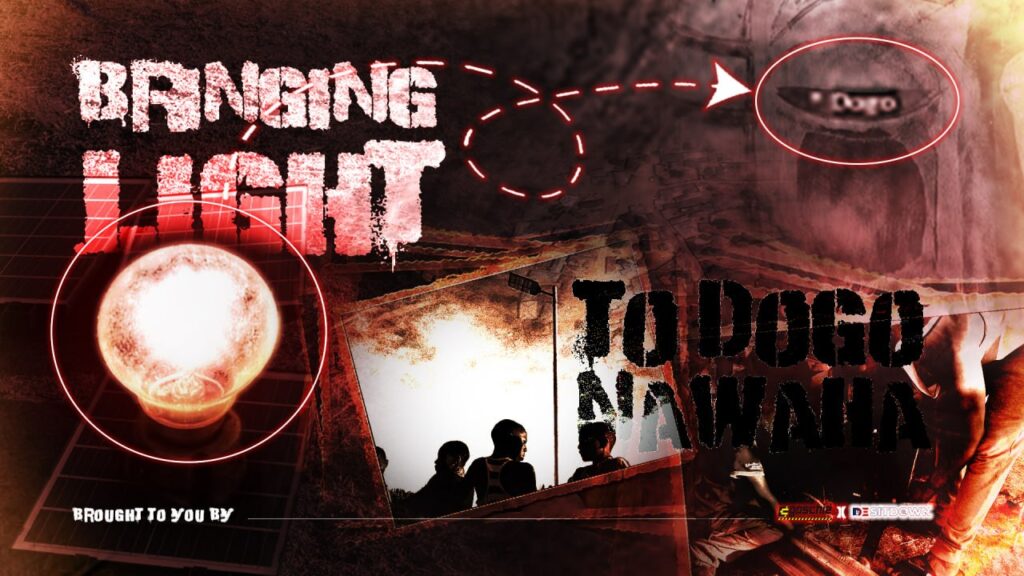
BACKGROUND: THE DOGO NAHAWA TRAGEDY
In the early hours of Sunday, March 7, 2010, the predominantly Christian farming community of DogoNahawalocated approximately 10 kilometres south of Jos, Plateau State was plunged into one of the darkest nightsinitshistory. Armed attackers stormed the village while residents slept, wielding guns, knives, andmachetes, systematically hunting down men, women, and children in the darkness. Simultaneous attacks were launchedonthe neighbouring villages of Zot and Ratsat. By the time the assault ended, over 400 lives had been lost the majority of them women and children. Entirefamilies were wiped out in a single night. Homes were burned to the ground, livestock destroyed, andacommunity that had known peace was shattered beyond recognition. More than a decade on, the scars remain deep. Survivors rebuilt their homes from rubble and formedvigilantegroups to watch through the night, fearful that darkness literal and figurative still posed a threat to their safety. The community has continued to receive intermittent security threats, and residents have long cited theabsenceof street lighting as a critical safety vulnerability, leaving roads and pathways dangerously unlit after sunset.
PROJECT OVERVIEW
| Project | Solar Street Light Installation |
|---|---|
|
Technology |
Solar-Powered LED Street Lights (All-in-One) |
|
Beneficiaries |
Residents of Dogo Nahawa and surrounding areas |
|
Installer |
Egoschiz |
|
Location |
Dogo Nahawa Community, Jos South LGA, Plateau State |
|
Key Events |
2018 Incursions, 2019–2022 Silent Killings, 2023 Christmas Eve Attacks |
|
Impact |
Mass displacement, destroyed homes & farmlands, educational crisis |
|
Platform |
YouTube — @Desitdown Sports |
Desitdown Group, recognising the long-standing vulnerability of the Dogo Nahawa community stemmingfromthe2010 massacre and the persistent security concerns that followed, stepped in to fund a solar street lightinstallation project as a meaningful act of corporate and social responsibility. The initiative was executedbyEgoschiz, whose team arrived in the community to carry out the full installation from foundation diggingtopoleerection and light mounting. The project represents Desitdown Group’s commitment to using its platform not only in sports media, but asavehicle for genuine community upliftment bringing light to a community that has endured more darknessthanmost.
PHOTO STORY: FROM GROUND TO LIGHT
PHASE 1 — FOUNDATION PREPARATION
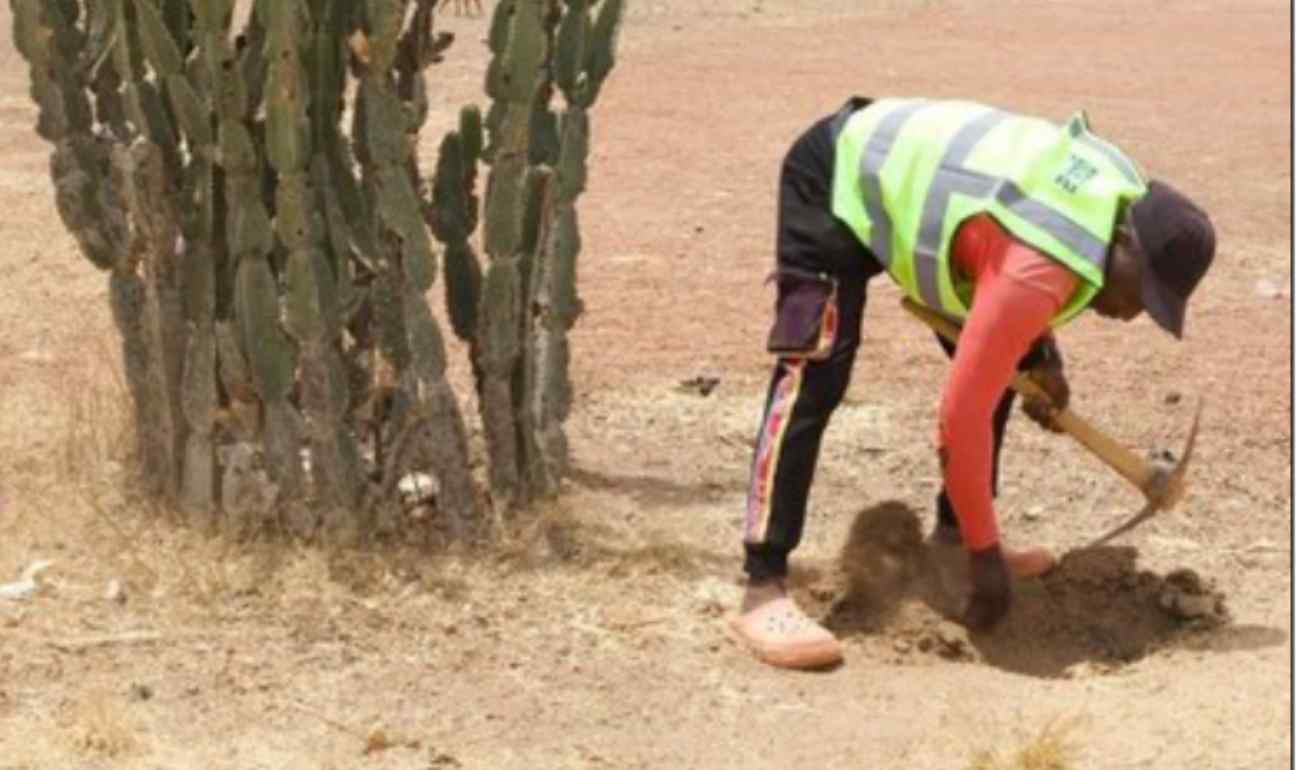
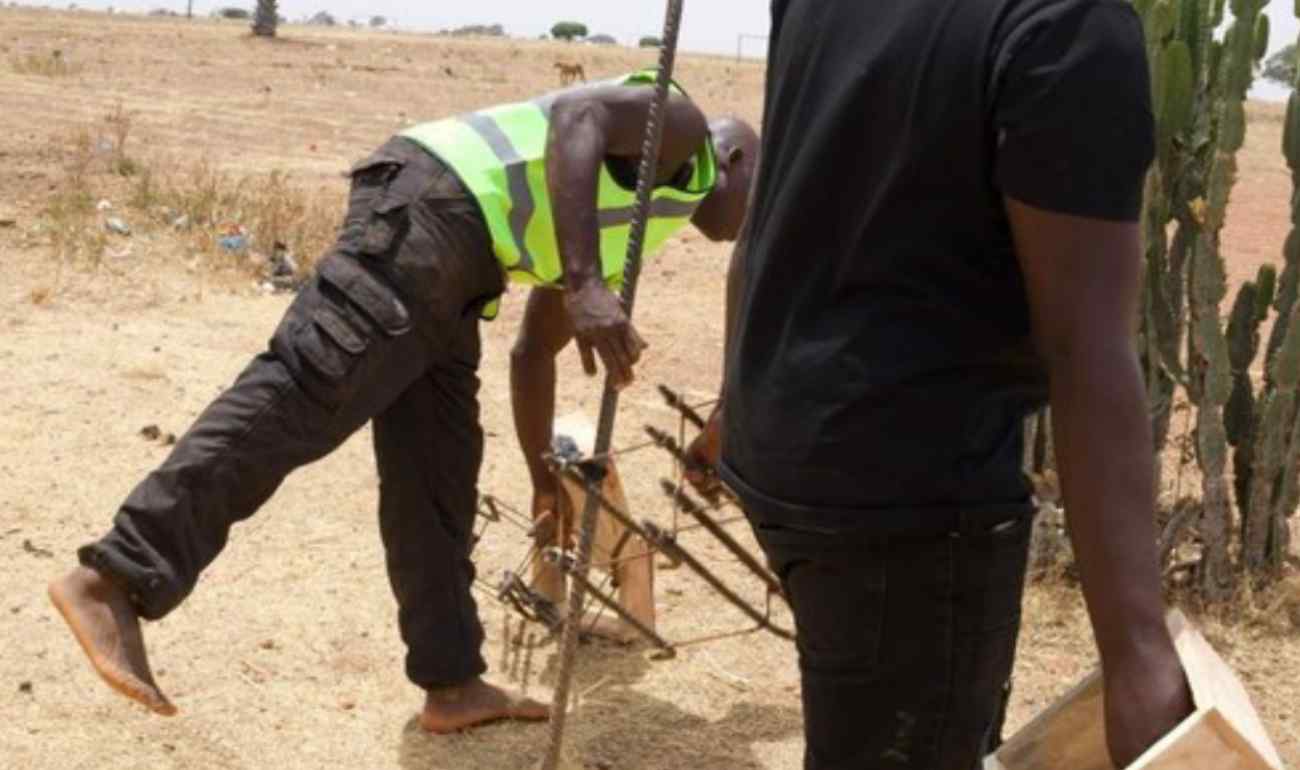
The installation began with Egoschiz workers preparing the ground. Working under the heat of the PlateauStatesun, the team used pickaxes and shovels to break through the hard laterite soil, digging the foundationholesrequired for each street light pole. Community members and children gathered curiously to watch the workunfoldmany of them seeing such an installation for the very first time.
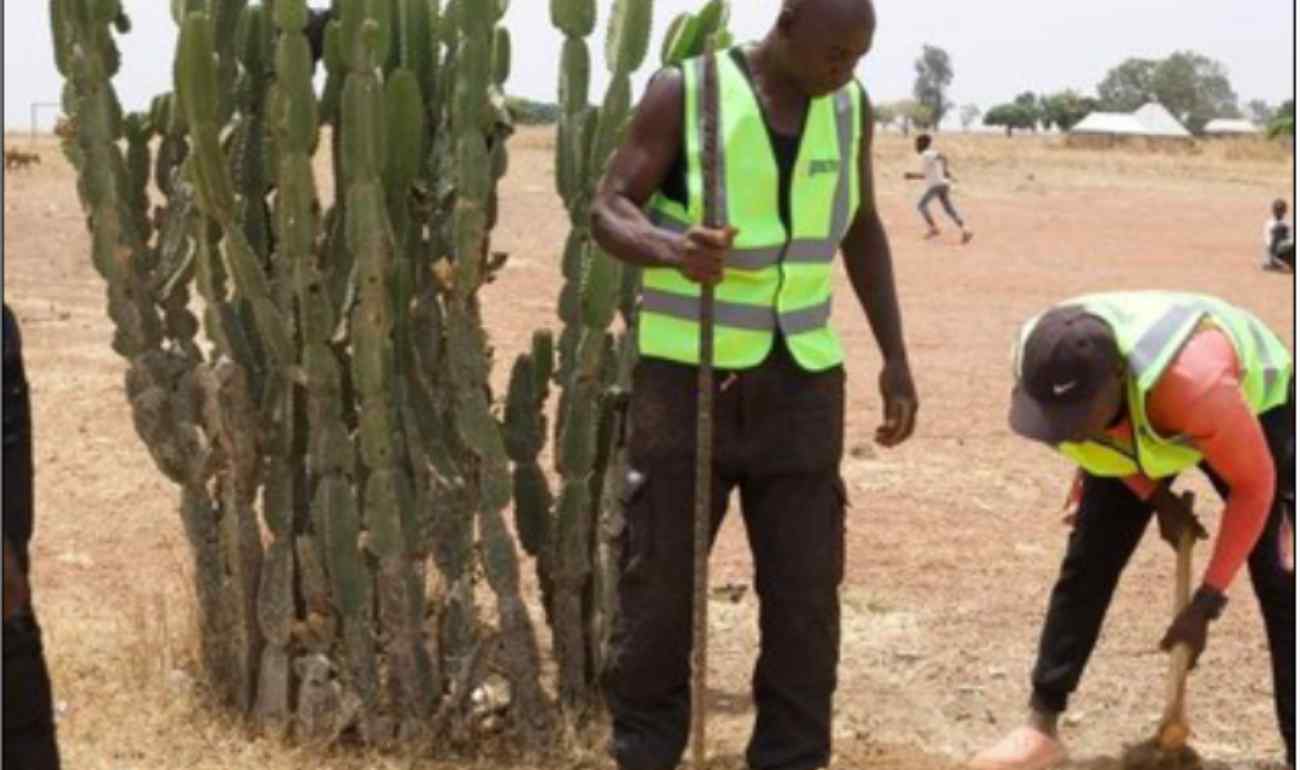
Egoschiz worker digging foundation hole with a pickaxe next to a cactus cluster.
Worker in hi-vis vest preparing steel reinforcement rods for thepole base.
Two Egoschiz workers digging side by side — the hard laterite soil of Dogo Nahawa required significant manual effor
PHASE 2 — POLE ASSEMBLY & COMMUNITY ENGAGEMENT
With foundations prepared, the Egoschiz team moved to assembling the street light poles on the groundbeforeerection. This stage drew the most community attention children from across the neighbourhoodgatheredaround the workers, fascinated by the process. The scene captured something powerful: the next generationofDogo Nahawa watching infrastructure being built in their name, infrastructure that will keep themsafer at nightthan their parents ever were.
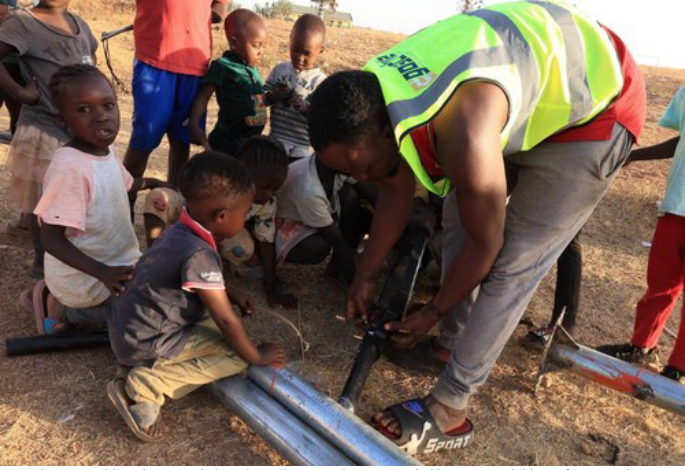
Egoschiz worker assembling the street light pole on the ground — surrounded by curious children of Dogo Nahawa communit
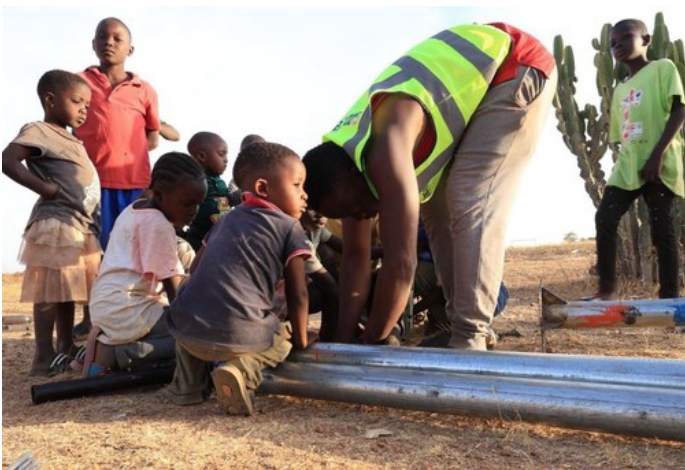
Children crowd around as the worker fits the solar panel bracket to the pole — community engagement at its most organic
PHASE 3 — TRANSPORT & POLE ERECTION
With foundations prepared, the Egoschiz team moved to assembling the street light poles on the groundbeforeerection. This stage drew the most community attention children from across the neighbourhoodgatheredaround the workers, fascinated by the process. The scene captured something powerful: the next generationofDogo Nahawa watching infrastructure being built in their name, infrastructure that will keep themsafer at nightthan their parents ever were.
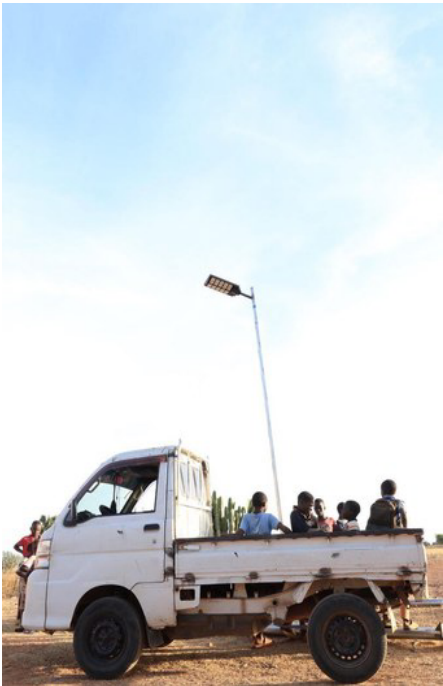
Children crowd around as the worker fits the solar panel bracket to the pole — community engagement at its most organic
IMPACT & SIGNIFICANCE
The installation of solar street lights in Dogo Nahawa carries significance that goes far beyondsimpleinfrastructure. For a community that has lived under the shadow of one of Nigeria’s worst communal massacres, darkness has never been merely the absence of light it has been a source of fear, vulnerability, and painful memory. With solar-powered lighting now illuminating the roads and pathways of Dogo Nahawa, residents can movesafely after sunset. Vigilante group members who previously patrolled in near-total darkness now have light toaidtheirwatch. Children can study. Women can return from farms without fear. The elderly no longer needtolockthemselves indoors the moment the sun dips below the horizon. Desitdown Group’s intervention demonstrates that media organisations have a role to play beyond content thataplatform built on the stories of Africa’s athletes and communities carries a responsibility to thosesamecommunities. This project is a statement: that Dogo Nahawa has not been forgotten, and that thosewiththemeans to help have a duty to do so.
“Light is not a luxury — it is safety, dignity, and the right of every community to exist without fear.”
— Desitdown Group, Dogo Nahawa Solar Installation Initiative
Desitdown Group | Community & Social Responsibility Initiative | Dogo Nahawa, Plateau State, Nigeria